
Our House Names: Celebrating Aviation Pioneers
Walton House - Green
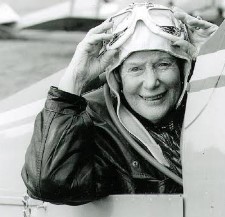
Nancy-Bird Walton, born on October 16, 1915, in Kew, New South Wales, was a pioneering Australian aviator who made significant contributions to the field of aviation. From a young age, she was determined to fly, saving money while working in her father's shop to fund her pilot training. At just 19, she earned her commercial pilot’s license and purchased a Gypsy Moth aircraft. Over the next few years, she and a friend toured Western New South Wales and Queensland, performing “barnstorming” flights.
Walton later used her skills to ferry medical staff to remote areas and bring the sick or injured to hospitals. During World War II, she served as an officer in the Women’s Air Training Corps, advocating for greater opportunities for women in aviation. Walton’s legacy as a trailblazer for women in the industry remains significant, and her achievements continue to inspire. In recognition of her contributions, Qantas named their first Airbus A380 "Nancy-Bird Walton." She passed away in January 2009, leaving behind a lasting impact on Australian aviation.
Hinkler House - Purple
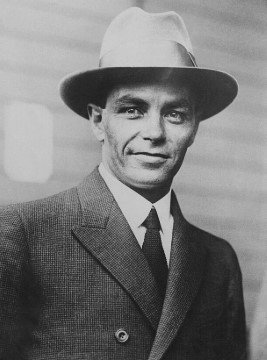
Herbert "Bert" Hinkler (1892–1933) was an Australian aviator, pioneering in both solo flight and long-distance aviation. Born in Bundaberg, Queensland, Hinkler developed a passion for flying early in life, gaining his pilot's license in 1911. He gained international fame in 1928 when he became the first person to fly solo from England to Australia, making a daring and challenging journey that took him 15 days.
Throughout his career, Hinkler completed numerous ground breaking flights, including successful solo flights across the Mediterranean, and broke several records for speed and distance. He was a key figure in advancing aviation technology and played a major role in shaping modern aviation. Tragically, his career was cut short when he died in a plane crash in 1933 while attempting to fly from England to Australia again.
Hinkler’s legacy as a pioneering aviator is remembered in both Australia and the aviation world. The Hinkler Hall of Aviation in Bundaberg honours his contributions to the field.
Waters House - Red
 Len Waters (1924–1993) was Australia's first acknowledged Indigenous fighter pilot. Born in the remote town of Wallangarra, Queensland, Waters was a member of the Goorie people. He enlisted in the Royal Australian Air Force (RAAF) during World War II in 1942, serving as a pilot in the Pacific Theatre. After completing his training, he flew the Supermarine Spitfire and was involved in combat missions over New Guinea and the Solomon Islands.
Waters' achievements were ground breaking, both as a skilled aviator and as an Indigenous Australian in a predominantly white, male military force. Despite facing significant racial barriers, he was known for his dedication and flying expertise. After the war, Waters remained involved with aviation but struggled with post-service employment and recognition.
In later years, Waters received long-overdue recognition for his contributions to Australian aviation. His legacy as a trailblazer for Indigenous Australians in the military is celebrated today, and he remains an important figure in both aviation and Indigenous history in Australia.
Middleton House - Yellow
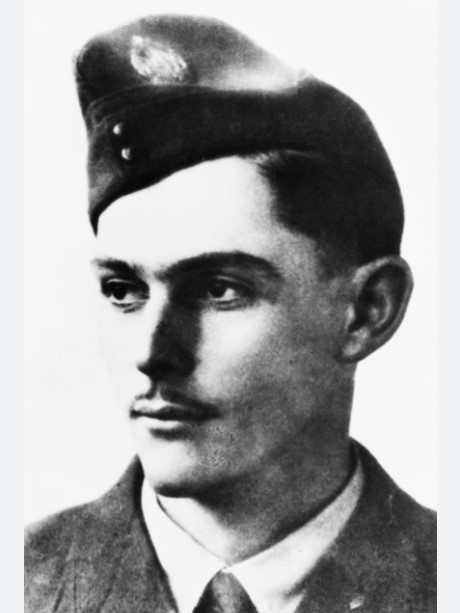
Rawdon Middleton (1912–1942) was an Australian aviator and World War II hero. Born in Australia, Middleton joined the Royal Australian Air Force (RAAF) and was trained as a pilot. In 1941, he was assigned to serve in the Middle East as part of the British Royal Air Force (RAF), where he became a member of the No. 462 Squadron.
Middleton gained posthumous fame for his bravery during a bombing raid over Italy in 1942. While flying a Halifax bomber, he and his crew were attacked by enemy fighters. Despite being severely wounded and facing grave danger, Middleton continued to pilot the plane, ensuring his crew's safety. He was posthumously awarded the Victoria Cross, the highest military honour in the British Commonwealth, for his extraordinary courage and selflessness.
Middleton's legacy as a brave and dedicated aviator is remembered in Australia and beyond, as an example of heroism and sacrifice during the dark days of World War II.